A wedding date decides everything around it, be it the caterers, the florists, the guest list, or the relatives flying in from other countries. Once that date is set, there’s little room to renegotiate with a manufacturer halfway through.
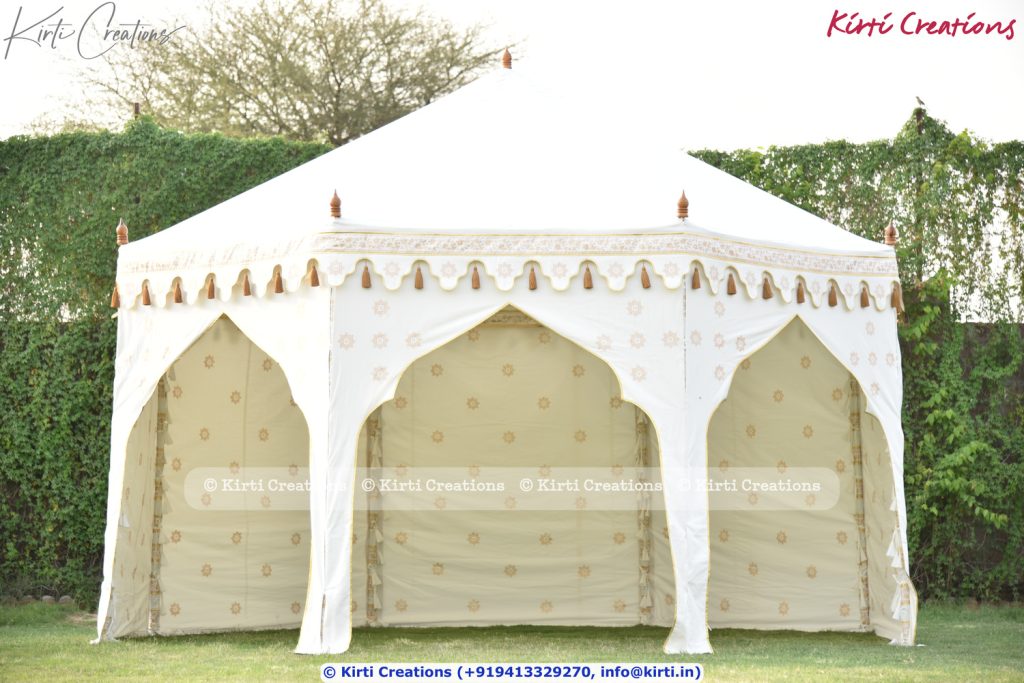
A Swiss tent is a permanent structure rather than a rented prop, so the questions asked before booking matter more than most couples realise. With its distinctive A-frame silhouette, pitched roof, and attached veranda, it combines architectural character with practical functionality.
Confirm the Structural Design Before Anything Else
The A-frame is what distinguishes a luxury wedding tent from a domed pavilion or a draped marquee. It is cottage-like in profile with its steep pitched roof and straight side walls, and that structure has to be correct before fabric or furnishing comes into the conversation.
- Ask for the exact frame specs, including height at the ridge and at the eaves, because those numbers will affect both the interior feel and how the tent reads from the outside.
- Seek drawings or a scale model, not a verbal description. It’s difficult to envision a building this size from a phone call.
- Check the reinforcement of the frame at the joints. Weak points tend to show up only after a season or two of use, and then the warranty conversation gets complicated.
- If the venue has height restrictions due to nearby trees, power lines or heritage building codes, compare ridge heights across manufacturers.
Ask How the Fabric Handles Real Weather
Sometimes a Swiss tent is outdoors for the duration of an event, even if the wedding is over several functions. It’s not just a side note, but the difference between a beautiful structure and a soggy one, fabric performance in sun, wind and rain.
- Find out what fabric coating is used to maintain colour and appearance over time.
- Ask about the seasons for which the manufacturer guarantees colour retention.
- Check the wind load rating of the tent for the specific area, especially if it’s a coastal or hilltop venue where guests will act differently than in a sheltered garden.
- Check out the seam-sealing method where the roof meets, because that’s typically where leaks start with a sudden rain.
- Instead of relying on the catalogue photos, ask if they can provide a small-scale demonstration panel to feel the water beading and fabric texture.
Verify the Veranda and Interior Layout
The veranda is one of the special features of a Swiss tent. It is a protected space in transition, between inside and outside. So, getting that layout wrong impacts flow on the day, especially if the venue expects guests to move between multiple tented areas.
- Can the manufacturer adjust the veranda width to fit the walkway or entry points of the venue?
- A thoughtful wedding tent design should allow enough flexibility to create separate spaces, such as a dining area, lounge, or bridal suite. For example, a dining hall away from a lounge or bridal area can be suitable.
- Check if an attached bathroom module is possible in the same structure, which eliminates the need for a separate freestanding unit.
- Request some sample layouts from three or four past events with a similar guest count to know how the space actually fills once it is furnished.
Ask About Production and Installation Timelines
Swiss tents are made to order, and production schedules may not always match a couple’s own countdown. Choosing an experienced wedding tent manufacturer helps ensure realistic production schedules and timely installation.
- Get a written confirmation of the production window, including all production stages from the first cutting of fabric to the final stitching and quality checks.
- Ask whether other projects are scheduled during the same production period, as this may affect delivery timelines.
- Set dates of installation and dismantling as terms of the contract so that the venue coordinator has a definite schedule to work with.
Confirm Site Requirements
No matter how well built, the ground under a Swiss tent makes all the difference.
- Before deciding on dimensions, insist on a site survey so that slopes, drainage paths and underground utilities are factored in.
- Ask the crew how they anchor the frame to different types of ground, especially when the venue is a combination of paved areas and lawn.
- Confirm which elements, such as power, flooring, and drainage, are handled by the manufacturer and which require separate contractors.
Ask About Warranty and After-Event Support
The tent doesn’t lose its value after the event is over, especially for families who wish to reuse the structure for future events.
- Read the damage, cancellation and rescheduling clauses in the contract before you sign, because wedding dates change more often than you think.
- Ask who repairs a seam or joint in the frame in the middle of an event.
- Confirm storage or re-use arrangements for the tent afterwards, especially where custom fabric or dimensions were part of the deal.
A Structure Worth the Scrutiny
The Swiss tent is a piece of engineering disguised as a cottage, and that’s why it deserves a few questions rather than a snap decision on photographs alone.
The structural clarity, the fabric performance, the layout flexibility, realistic timelines and clear after-sales terms are all key to the performance. These determine if the finished structure is a fit for what was promised at the design stage.
Book a consultation with the Swiss Tent team to discuss your wedding requirements and turn these questions into a bespoke tent design, well ahead of your wedding date.